
I have been thinking about a turtle we call Brah
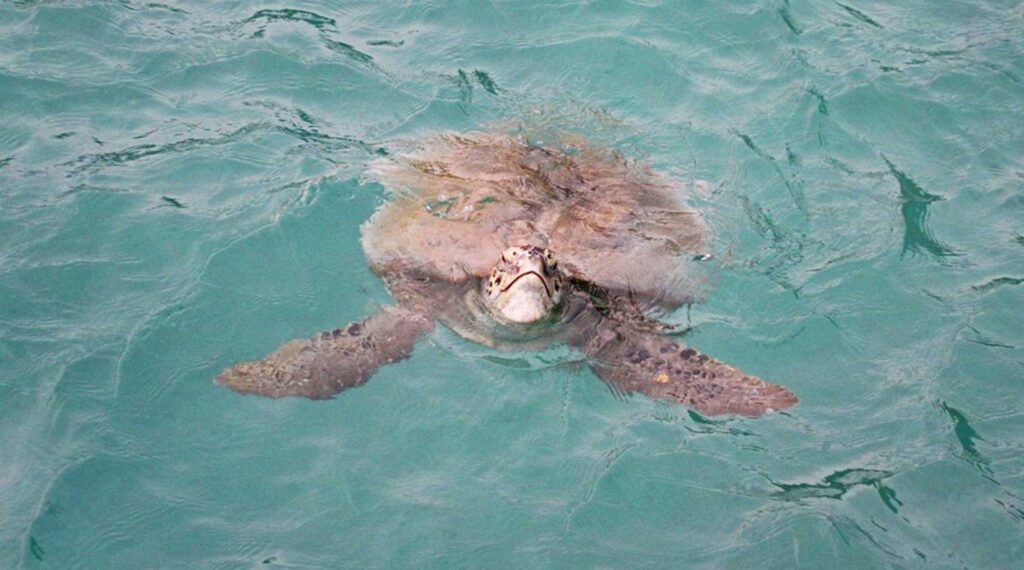
She is a Green Sea Turtle, identified in Malaysia’s Sea Turtle Face ID database (each turtle’s facial scutes are as unique as our fingerprints). She first came to Sunrise Beach in 2022. The TIC team photographed her, tagged her, entered her into our long-term monitoring records, and then she left, back into the ocean.
Last season, she came back. She nested three times.
I do not know where she spent the years in between, or whether she was born in waters we protect. But I can tell you this. When I snorkel on Junior Reef now, or sit on the jetty as the sun goes down, I see more turtles than I did when we first opened Batu Batu.
The water feels more alive.
Whether that is because of TIC’s work, the protection the marine park affords, or simply that I know when to look and what to look for, I honestly cannot say. But I have noticed it. And it gives me hope.
The people behind this work, often unseen
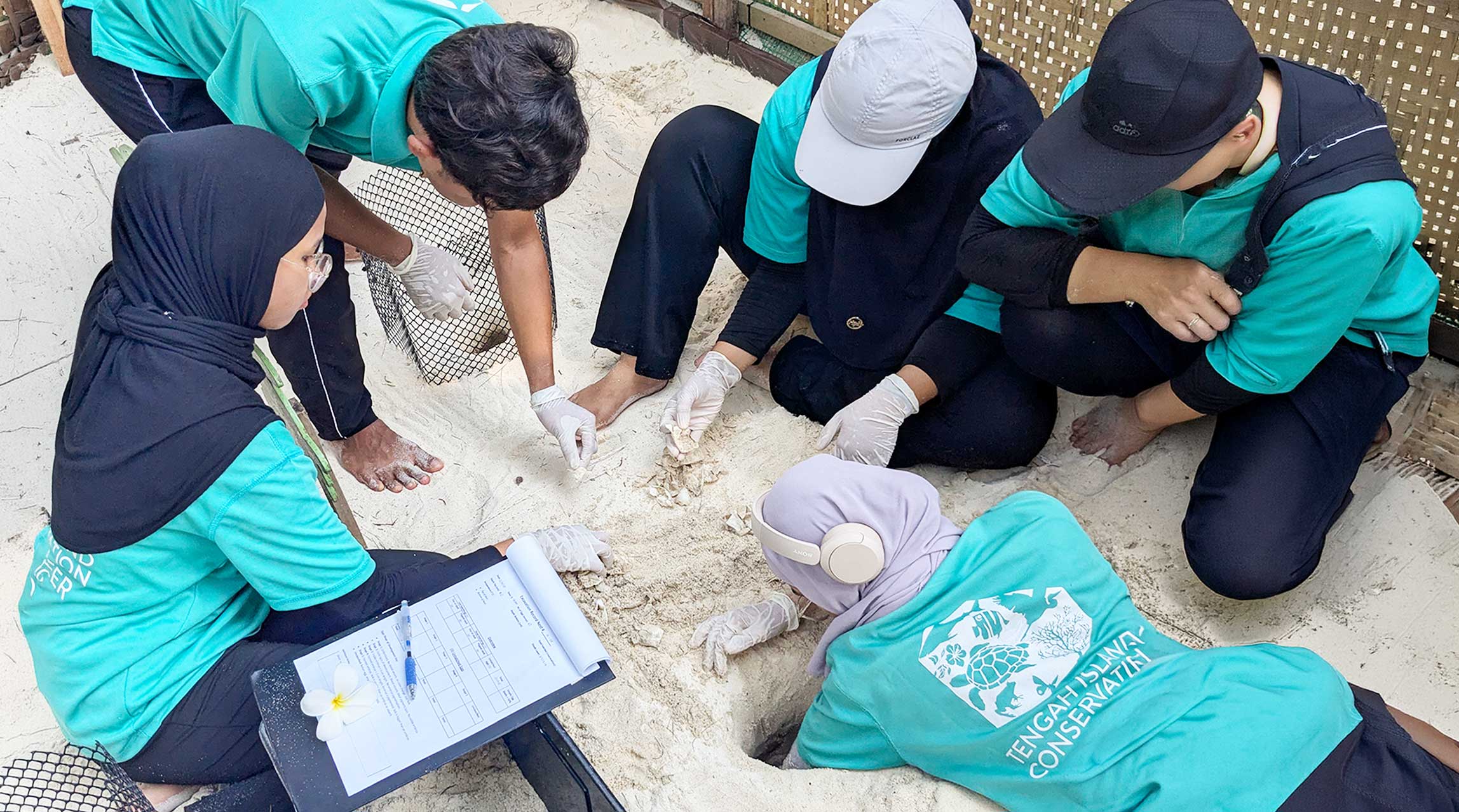
Today, TIC has eight full-time conservation scientists, based across three field stations — on Pulau Tengah, Pulau Besar, and in Mersing. They are out on the water at dawn, and conducting night patrols long after dark.
They dive, survey, map and clean reefs and seagrass meadows. They relocate precious turtle eggs, tag the turtles, produce GIS maps, and write scientific reports that they present to government agencies to inform policy.
The team also hosts university interns, we currently have ten, from universities across Malaysia — the next generation of field conservationists, training alongside our scientists, in the field. Some will go on to become conservation biologists or fisheries officers who will protect these waters for years to come.
I am deeply grateful to all of them because this work is hard and tiring and asks a great deal of the people who do it.
What we are learning, year by year
You cannot protect what you do not understand.
Ten years of data collection and systematic monitoring across seven islands has given TIC a solid foundation to develop place-based strategies to protect our local ecosystems.
This year, 4,277 sea turtle eggs were protected, incubated and released back to the sea, bringing our cumulative total to approximately 33,014 since 2015. Our hatching success rate under TIC management reached 87.11% – a figure that reflects the team’s deepening expertise in turtle hatchery management.
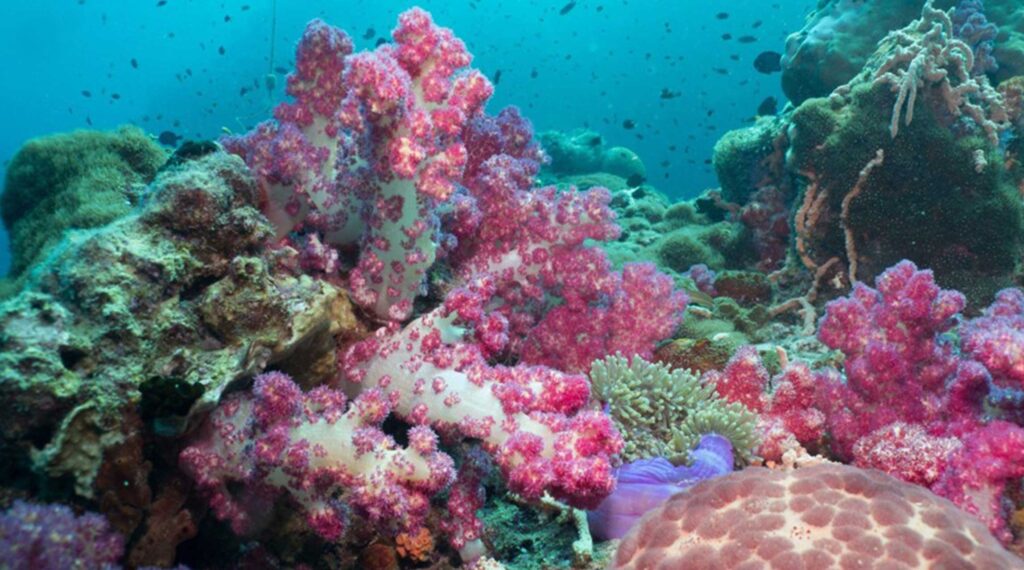
Live coral cover across the seven monitored islands declined to 46% in 2025, from 54% in 2024. We have been monitoring this downward trend since 2022, and believe it is linked to bleaching events across Southeast Asia as ocean temperatures rise.
This is why we have been transplanting 130 new coral nubbins onto frames, and using 3D photogrammetry to more accurately track growth. The early results are encouraging.
One thing that gave us real joy this year: dugongs were sighted at Pulau Tengah again, with their grazing trails visible during seagrass surveys.
P/S: Johor hosts some of Malaysia’s largest seagrass meadows.
The dugongs know it.
Where community and conservation meet
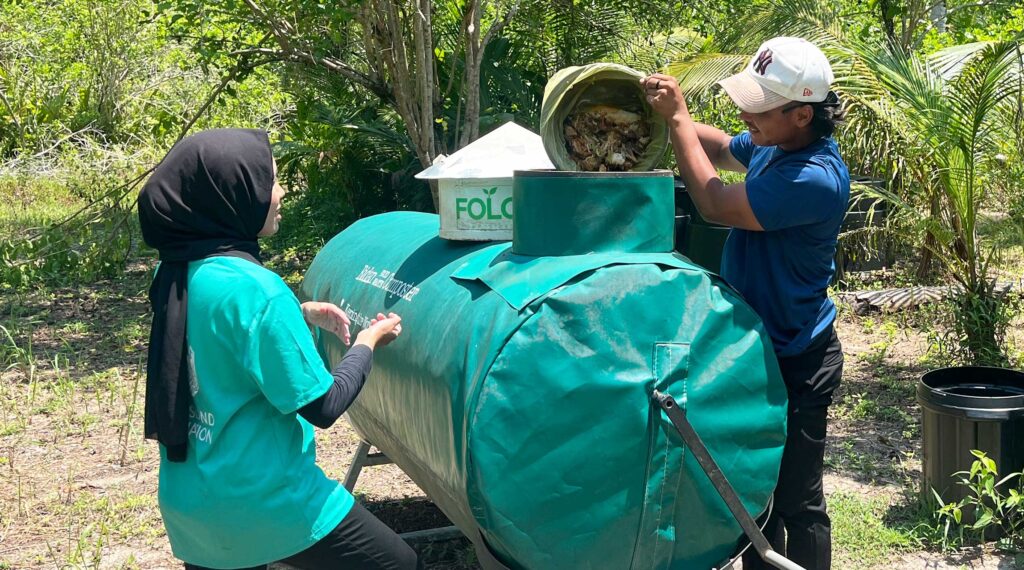
I also want to tell you about Pulau Besar (look out from the bar to the big island next door), where something extraordinary is being built, quietly.
Rumah Eko, TIC’s integrated waste management and community hub, officially launched in April last year, although we started the project in 2021 with the support from UNDP. In 2025, it processed over 3,500 kg of waste, composted more than 1,700 kg of food waste, and trained local operators in practices that are beginning to change how the island manages itself.
But beyond the numbers, it has become something more. The Festival Pulau Besar, held for a month across August and September 2025, brought over 2,000 visitors to the island through Zapin Pulau (traditional island dance) performances, authentic islanders food cooking demonstrations, craft workshops, guided walks, and conservation workshops — with the community at the heart of it all.
We plan to offer Batu Batu guests the chance to visit Rumah Eko later this year — to experience village life and be part of the revival of the island’s culture.
Because none of this happens alone
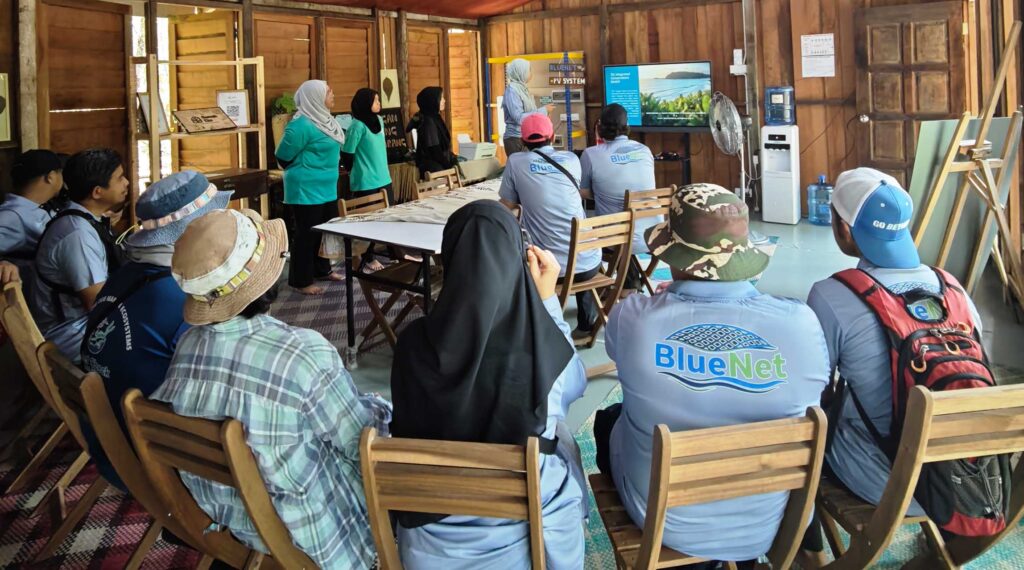
Our TIC 2025 Annual Report is nearly complete, and we look forward to sharing it with you soon.
I want to take a moment to thank the many people and institutions who make this work possible.
First and always, our TIC team, who give so much of themselves — early mornings, night patrols, dives in difficult conditions, reams of data processing — with a commitment and love for these islands that humbles me.
I am also deeply grateful to all our partners across academia, government, private sector and NGOs who have collaborated and brought expertise, rigour, and varied perspectives to TIC’s work.
And to you — thank you for coming to Batu Batu, and for being part of our story.
Every stay supports TIC’s operations directly. The scientists, the hatchery, the fuel for our boat patrol monitoring, the restoration work — it is sustained by the guests who choose to travel this way.
Brah came back to Sunrise Beach this year.
I hope you will too.
If you would like to view our 2025 impact in more detail, click here.
With warmth and gratitude from our little island
Cher Chua-Lassalvy
Founder, Batu Batu
President, Tengah Island Conservation